
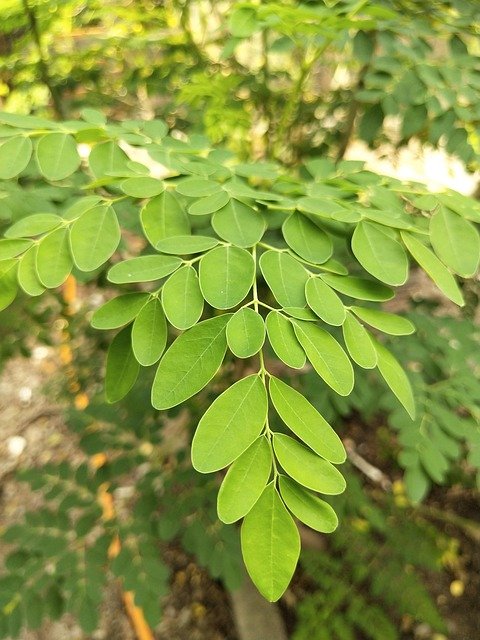
The Miracle Tree
Demystifying the Qabalistic Tree of Life
It’s also known as the “Drumstick Tree,” the “Miracle Tree,” or in Urdu: “Sohanjna” Moringa oleifera is literally a superfood and an ecological godsend,. As you note, its sweet, nectar-laden flowers and nutritious leaves serve as magnets to hundreds of bee, butterfly and bird species as well other pollinators that turn the plant into a buzzing center of life.
The Tree at a Glance
Moringa is a rapid-growing, deciduous tree that has an estimated lifespan of 20-40 years, though it may live longer depending on climate and growing conditions.
Height: Growing speed can be surprisingly fast, 10-12 meters (30-40 feet) at maturity if not pruned. But in order to harvest leaves and pods easily, they are generally pruned to resemble shrubs from 1-2 meters.
Health Benefits of Moringa The Tree of Life
Moringa has myriad benefits that make it one of those so-called “superfoods” and a fixture in traditional medicine.
Full Nutrition: Both the leaves are full of vitamins (A, C, B), minerals (calcium, potassium, iron), protein and antioxidants. Pound for pound they have more vitamin C than oranges and more even calcium than milk.
Medicinal Application:
Historically used to fight inflammation, help control blood sugar levels, lower cholesterol and of course strengthen our immunity. Nearly every part, leaves roots, seeds, bark or flowers Has Medicinal usage.
Water Treatment: Moringa seeds powder is a natural coagulant, they can clean turbid water by linking with the impurities.
Sustainable Food: It is fast growing in arid and nitrogen poor soil, thereby giving food security to arid regions with developing economy.
Its Ecological Significance & Role in Animals and Birds
And here’s where the tree really becomes an essential ecological actor, as you acknowledged.
For Pollinators (Bees & Butterflies):
It’s profuse, sweet honey scented white-yellow flowers are filled with nectar and pollen. They’re magnets for a variety of pollinators, helping retain bee populations and biodiversity.
Hives are also often put by beekeepers close to Moringa farms.
For Birds & Animals:
Birds: They eat the nectar, insects on tree and flying seeds. The tree offers cover and nesting areas.
Livestock: The animal-friendly protein-rich leaves make great fodder for cattle, goats, chickens and other livestock, which further increases their milk and general health.
Wildlife: Monkeys and antelope browse its leaves and pods in the tropics.
For the Environment:
Improves Soil: Its long taproot can mine it’s sought after minerals deep within the ground, and its leaf litter doubles as a mulch.
Erosion Prevention: The roots of the trees aids in binding soil together and help prevent erosion.
Agroforestry: It is it’s a good friend plant that supports providing shade and nutrients to the crops without much competition.
The Unsung Hero – Why Moringa isn’t just a superfood
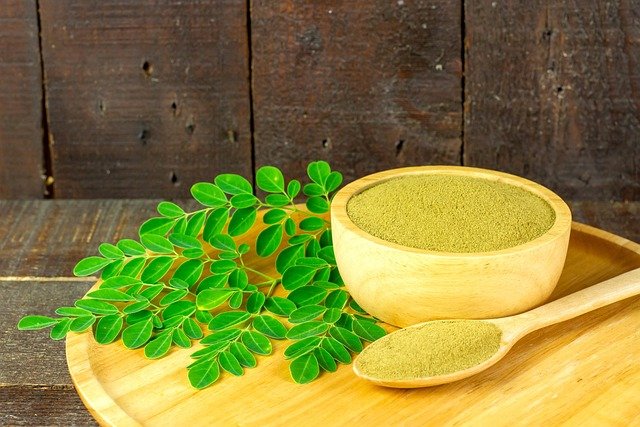
Title: Moringa: The Tree That Nourishes Bees and Elephants Protects the Environment, Reduces Hunger Forest Gardens Anchor Farming For Uganda’s Smallholders Forest gardens
a combination of trees, shrubs and crops planted in tiers — offer a way to produce food while helping repair deforested lands.
In a world desperately seeking sustainable solutions to malnutrition and environmental destruction, one humble tree might just be the trick: Moringa oleifera.
Native to the foothills of the Himalayas but now abundant across the tropics, this “Miracle Tree” is not only a human superfood: It is an entire ecosystem unto itself.
A Beacon for Biodiversity
Trace your footsteps past a faltering Moringa tree and you will hear it before you spot it - the gentle brummm of literally thousands of honey bees, butterflies,
flies and other insects gorging on its nectar. This makes pollinators, essential to global food security, reliant upon Moringa as a valuable resource. Through the facilitation to these organisms, the tree supports the pollination of all crops and wild plants around it.
From Hive to Herd A Sustainer of Life
The connection between Moringa and animals goes way back. Beekeepers love it because the flowers make strong, mild honey. Its leaves are cut and fed to livestock as a succulent, nutrient-rich, fast-growing fodder that can boost the health and productivity of farmers’ animals.
Even the wild one gets sustenance and sheltered in its branches, that give it a keystone status in agro-ecological landscapes.
A Pillar of Resilience
And Moringa’s best attribute might well be its resilience. It flourishes where other vegetation suffers — in poor soils, with little water and under the searing sun.
In arid habitats it also serves as a steady source of green leaves when other crops disappointed. It can purify water with its seeds, making clean drinking water an easily obtained low tech solution.
Cultivating a Future with Moringa
Growing Moringa is straightforward. It does well in well-drained ground and full sun, growing from seed or cutting with amazing rapidity.
Pruning Prune often for maximum leaf production. Not only does this keep the tree at a manageable height, but it will lead to bushier growth and more of its precious leaves and flowers.
Moringa oleifera so much more than the latest health supplement. It represents an imprint of ecological connection
a single being that feeds the soil, sustains insects, allows larger animals to survive and revitalizes villages. In an era of climate change and nutritional imperatives,
helping grow this amazing tree is not only intelligent; it is a bridge to a more resilient world and one that better understands its complexity.