All About Rabbits
From wilderness meadows to their co-existence with humanity in urban apartments, the rabbit is a study of contrasts
it’s an icon of fertility and innocence that breeds like crazy, but also a relentless survivor; a beloved pet and an muscular agricultural force.
This article is going to hop through the intriguing world of rabbits including where they are found globally as well as the variety they come in and some things you should know about keeping them.
Where Are Rabbits Mostly Found?
Rabbits are found on several continents, but have been introduced by humans to many more.
Range and habitatThe European rabbit is a native of Southwestern Europe (including Spain and Portugal) and Northwest Africa. This is the species that gave us every single domestic breed.
Global Distribution (Introduced): As a result of human release, wild European rabbits are established in Australia, New Zealand, Chile, and on numerous islands globally creating catastrophic effects to native ecosystems.
Other Wild Ra bbits (Indigenous Species): North America is home to a number of native wild rabbits, such as cottontails (Sylvilagus spp.), which are distinct from the European rabbit and have not been domesticated. Jackrabbits (which are hares, not rabbits) live throughout western North America.
As Livestock & Pets: They are bred and raised around the world, from large-scale industrial operations in China and Europe to homesteads all across the planet.
How Many Species Of Rabbits Are There?
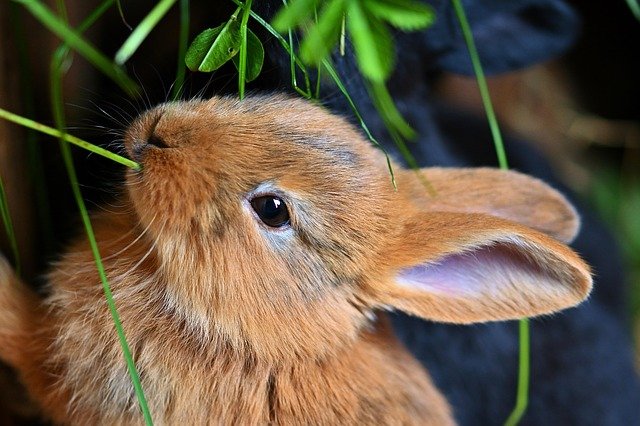
It is important to differentiate between wild species and domestic breeds.
Wild Species There are 30+ species of wild rabbits and hares in the Leporidae family ranging from desert cottontails to Amami Rabbits to riverine rabbits!
Domestic Breeds All the domestic rabbits are descendants from one single species of European rabbit. Under genetic selection, over 300 breeds have been selectively bred at c.arieties shows which are hosted by such organizations as the American Rabbit Breeders Association (ARBA). They are categorized by:
Size Dwarf (e.g Netherland Dwarf under 1.13 kg), Small, (e.g., Polish), Medium (eg, Dutch and Rex) large (eg Flemish Giant) and giant breed.( e.g continental giant exceed 5kg).
Intent: Exhibition, fur (Angora), meat (New Zealand White), pet.
Coat Types Rex (plush velvet) Lop (drooping ears), Satin (glossy coat) Wool (Angora).
How Old is the Oldest Rabbit in the World?
Lifespan depends heavily on environment.
Wild Rabbits Suffer high predation and disease. Rarely live beyond 1-2 years.
Rabbits (Pet/Indoor) With good care, a healthy diet and regular attention from a vet, rabbits usually live 8-12 years. The oldest confirmed rabbit ever was a Belgian called Mick, he lived till 16 years old.
How Big Could A Rabbit Get?
Size varies extraordinarily across breeds.
The Dwarf Netherland can weigh only up to 0.5 kg (1.1 lbs).
Largest The title is held by the Flemish Giant and Continental Giant breeds. The largest and longest rabbits tend to hail from these breeds. The current world record holder was a Continental Giant named Darius, measuring over 1.3 meters (4 ft 3 inch) long and weighing more than 22 kg (49 lb).
What Are the Dangers to Rabbits?
The threats are far different for wild and domestic rabbits.
For Wild Rabbits
Predation: Foxes, raptors, coyotes etc., are the main natural threat.
Loss of habitat Urbanisation and clearance for agriculture.
Myxomatosis and Rabbit Haemorrhagic Disease (RHDV – highly contagious virus which leads to the death of most infected rabbits) are two horrendous diseases that some humans decide to release into the wild in epidemic proportions.
For Domestic/Pet Rabbits
Improper Diet: The biggest killer. Only feeding a limited amount of hay will cause deadly dental and GI problems.
Absence of Veterinary Care They are “prey species” and conceal illness. Need exotic-savvy vets.
Poor Housing: Small enclosures, lack of exercise and inability to socialize (they are social animals) leads to both mental distress and also physical stress.
Predators & Temperature: Predators, including stray cats and dogs, may also pose as threats for outdoor pet rabbits.
What Colours Do Rabbits Come In?
The variety of rabbit coat colors and patterns is also large, complex genetics. The main color groups include:
Self One solid color. Black, Blue (ash), Chocolate, Lilac and White (with blue or red eyes).
Greyed Colour darker on points (ears, nose, feet). Siamese Sable, Smoke Pearl, Tortoise.
Agouti: The standard rabbit pattern, hairs banded. Chestnut, Opal, Chinchilla.
Tan Coloration: Resembles agouti, but has a bright triangle on the neck.
Broke A color mixed with white. They can be seen, field patched or “Charlie” (mostly white).
Wide Band -Absence of dark tipping on the hairs which results in clear bright coat colors; e.g., Red, Fawn, Cream.
Can They Be Kept at Home?
Absolutely, but they’re not “low-maintenance” starter pets! They’re complex, social animals and they live a long time.
They need to live in a litter size area (exercise pen or free-roam a rabbit-proofed room)–not a small cage. They are primarily crepuscular.
They are very social and do best in 2’s. Say you have a single rabbit—it can get lonely.
Need to see an exotics vet for a wellness check at least annually and must be spayed/neutered for health & behavioral reasons.
Commitment A rabbit is an 8-12 year commitment to a sensitive and intelligent animal.
What Do They Like the Most?
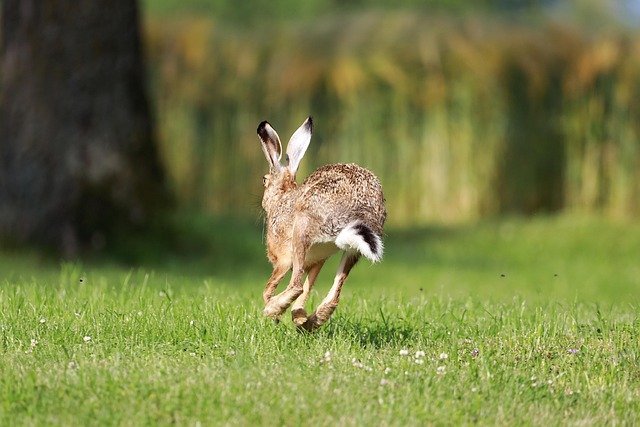
If you know what rabbits like first, that is a big step toward success.
Food Favorite Free choice Timothy Hay (or grass hay). This makes up 80-90% of their diet and is necessary for digestion and dental health. They also love fresh, leafy dark greens (romaine, kale, herbs).
Treats (sparingly) Tiny pieces of fruit (apple, banana) or root vegetables (carrot). Note: Overfeeding treats is a common and harmful error.
Activities Chewing (on innocuous wood or willow balls), digging (make a dig box for them), tunneling and castles, binkying (the happy jump-twist they do).
Contentment They enjoy a quiet, routine environment, comfortable bedding, and gentle, respectful interaction on their own terms (many don’t like to be held).
It’s Not Just a Nose Twitch
The rabbit is a lesson in peaceful perseverance.
It is an ecosystem engineer in the wild and an important prey species. At home, it is a quiet companion whose trust you must first win over and which shows love through gentle assistance and silent co-habitation. Their needs are quite particular,
but the reward is a close connection to one of nature’s gentlest and most delightful animals. Whether seen sitting in a field or being cared for at home, the rabbit is a reminder of growth and care, and the gentle marvels of our world.