
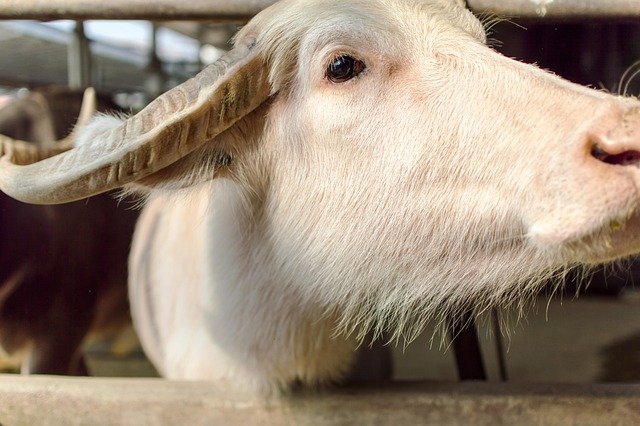
The Powerhouse of the Plains
A Full Guide to Buffalo
From the mythic American West to flooded rice paddies in Asia, buffalo is a worldwide symbol of raw power, endurance and utility. Frequently cloaked in definitional darkness, this noble beast has changed the face of continents, the patterns of societies and the dishes of restaurants. This article charges through the facts, differentiating between species and delving into the deep way these animals matter.
Where Are Buffalo Mostly Found? (A Tale of Two Continents)
But “buffalo” is the correct name for two species of animals on one continent and a third commonly misnamed other.
The Asian (Water) Buffalo (Bubalus bubalis)
Home Base: South and Southeast Asia. India has the largest buffalo population in the world (more than 110 million), so it is really the homeland of the buffalo.
Global Distribution: It has spread over Europe, North Africa and South America (not to mention Australia) as more than an act of generosity.
Habitat Intimately tied to water. Does well in flooded rice fields, river valleys and swamps. Its mud-and-water slathering, used in temperature regulation and to help oust bothersome bugs is its way of life.
THE CAPE BUFFALO Syncerus caffer (African Buffalo):
Primary Home Sub-Saharan Africa.
Habitat In savanna, grassland and dense forest where always close to permanent water. They are a megafaunal species, and among the best known animals to people of the world’s continents.
The American Bison (Bison bison) -Referred to by many as Buffalo:
Primary Home: North America. The animals once ranged in the tens of millions, but today wild herds are mostly found only in protected parks and reserves concentrated in the United States (Yellowstone, Badlands) and Canada (Wood Buffalo National Park), with others on private ranches.
How Many Buffalo Species & Types Are There?
Clearing the confusion is key.
True Buffalo Species
Wild Water Buffalo: The threatened ancestors of the domestic variety, they roam in small groups around parts of India, Nepal and Southeast Asia.
Domesticated Water Buffalo The domestic water buffalo derives from the wild buffalo or bison (Bubalus arnee), but has two types.
River Buffalo: India, Pakistan and Europe. First and foremost raised for milk (Italian mozzarella di bufala comes from these, as do both the creamy ghee of India, and paneer).
Swamp type buffalo Originating in Southeast Asia and the Indian Subcontinent. Primarily used for draft work to plow rice paddies.
African Buffalo – divided into a number of subspecies such as the giant Cape buffalo and smaller Forest buffalo.
The American Buffalo The buffalo is not a true buffalo but rather belongs to its own genus. Comprises two subspecies: the Plains Bison and, 50% larger, Wood Bison.
Domesticated Breeds There are more than 70 indigenous breeds of domestic water buffalo, including the Murrah (India, primarily for milk), the Mediterranean (Italy) and the Carabao (Philippines).
How Old Is the Oldest Buffalo?
Life span Life span varies with species and living conditions.
Wild Buffalo (African & Wild Asian): In the wild, versus withstanding predators, disease and drought, 15-25 years is common.
Water Buffalo, Domestic With proper veterinary care and housing, they can live to be 25-30 years old, with some living beyond thirty. Their productive milking life typically lasts for 15–20 years.
American Bison: In the wild, their life span is approximately 15-20 years. In game reserves or on ranches, they often survive for 25-30 years.
What is the Largest a Buffalo can Get?
These are among the largest terrestrial animals.
Asian Water Buffalo They may measure between 5-6.2 feet (1.5-1.9 m) at the shoulder on average. They can measure 1,600-2,600 pounds (700-1,200 kg). They have large, long horns that extend backward and bend up; the longest horn spread on record was more than 13 feet (4 meters) from tip to tip.
African Cape Buffalo A bit shorter but mass wise as muscular and strong. Stand up to 5.6 ft (1.7 m). Males weigh 1,300-2,000 lbs (600-900 kg). They have a widespread horn shield or “boss” over the head, making them among the most impressive defensive structures in the animal kingdom.
American Bison the largest terrestrial animal in all of North America. Bulls can reach heights of 6.5 feet (2 m) and can weigh more than an impressive 2000 lbs (900 kg); some exceptional bulls even grow to a weight of more than two times this amount, weighing over 2800 lbs (1,270 kg). They have huge heads, shoulder hump and shorter sharp horns.
What Are Buffalo’s Threats?

Risks are confined to the species level and range from near-extinction events in the past to continued threats.
For Asian Water Buffalo
Genetic Pollution Hybridization between wild and domestic buffalo endangers the future purity of endangered wild species.
Loss Of Habitat Drainage of wetlands for farmland.
Diseases: Foot-and-mouth disease (FMD) and haemorrhagic septicaemia are devastating for wildlife.
For African Buffalo
Fenced in: From habitat expansion of humans.
Poaching For bushmeat and trophies.
Disease: They are a principal vector for bovine tuberculosis and foot-and-mouth disease, which damages livestock and causes conflict with farmers. They are also sensitive to the effects of droughts.
For American Bison (The Greatest Comeback Story)
Historical Threat Commercial whaling and full-scale slaughter in the 19th century reduced populations from ~30 million to less than 1,000, one of the most catastrophic crashes for any species.
Threats: Genetic contamination from interbreeding with cattle, a lack of genetic diversity in some herds and disease management issues (e.g., brucellosis) conflicting with livestock interests.
Threat Type (Dominant Threats) Threat to dairy buffalo Population decline x For Draft and dairy buffalo Changing agricultural practices, mechanization reducing economic value of species for draught and decreasing populations of some indigenous breeds ( also see National Report).
A Very Historic Animal
It’s more than just livestock or wildlife, but a cultural force. It has turned the turf that fed civilizations, milked the dairy for revered cheeses and incarnated the wild soul of continents. It is a tale of great conservation success, and yet a sharp lesson in human impact
while the water buffalo persists as the gentle engine of rural Asia. To know the buffalo is to know humanity’s connection to nature’s most powerful bestower – a connection based on dependence, honor and often redemption.