Top 10 Smartest Animals On Earth That Can Solve The Problems
We occupy this world with some very intelligent beings. They are not human. But they can think. They can solve hard problems. They can use tools.
They can plan for the future. They can understand complex ideas. These are the ten smartest animals in the world. They are ordered by their solving ability. This is not just a list. Here’s a look at brilliant minds.
Number One The Chimpanzee
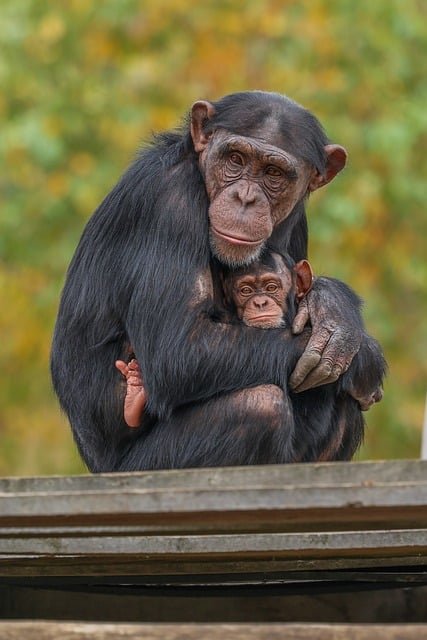
They’re our closest relatives in the animal kingdom. Their brains function much like ours. They demonstrate this in their problem solving.
Chimps make and use tools. They will pull over a branch and strip it of leaves. They utilise this stick to fish for termites in a termite mound. They learn that from older chimps. This is culture. Different troops of chimps have different tool sets. One tool-using group, for example, employs rocks to crack open nuts. Another group hunts smaller animals with sharp sticks.
They understand teamwork. Chimps plan hunting trips together. They use silent gestures to coordinate their position around a monkey. Each chimp has a role. It’s an indication of advanced planning and social cooperation.”
They show empathy and cunning. A chimp will console a grieving friend. A chimp will also deceive another one and steal its food. They know what another chimp is thinking. Such a skill is remarkably rare in the animal world.
Their problem-solving is straightforward and creative. If a box is locked they will learn the latch. If the fruit is across a gap they form a bridge. They do, however, learn quickly and retain solutions for years.
Number Two The Dolphin

Dolphins have large brains for their body size. Their brains are evolved for a water world. They are adept problem-solvers, socially and pragmatically.
Dolphins use creative hunting methods. They whirl the mud in a circle to catch fish. They banged the ocean floor with their tails to frighten fish out of hiding. A few female dolphins use sponges as nose guards while foraging in the sea floor for food. This is tool use.
They have a complex language. The whistles are like names, with each dolphin having its own unique one. This is how they whistle to each other. They can decode sentences in sign language from human trainers. They obey commands that have syntax such as bring the ball to the hoop.
They understand pointing. Most animals do not get this. If a person points they’ll look at the thing. This indicates they get that our goal is to communicate.
Dolphins are capable of self-awareness when shown a mirror. This shows self awareness. They will also use the mirror to examine marks on their own bodies. This is a huge signal of an active mind.
Number Three The Elephant
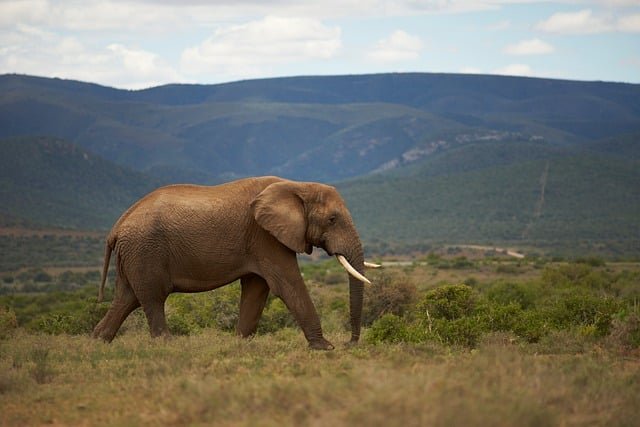
And elephants have the largest brain of any land animal. They deploy it for memory, and for social problem-solving.
Their famous memory is real. An elephant will remember a friend or the whereabouts of a place for decades. This memory helps them survive. Drought res ponse They recall the locations of water holes during drought. They know which humans ever offered them food and who to steer clear of because they might have a gun.
They show deep empathy. If a member of the herd is injured other elephants will assist. With their tusks, they will lift it. They’re going to stick with it for days. They mourn their dead. They caress elephants’ bones with their trunks. This shows understanding of death.
Elephants use tools. They’ll bend a twig for a fly watter. They will plug a hole in the ground with a chewed up ball of bark to save water for later. This is planning ahead for a future need.
They work together. To get food they will shove a log together so that one can use it as a step. To scale an electric fence one will push down the wires with its tusks as all others walk over. This is all about teamwork and goal comprehension.
Number Four The Octopus
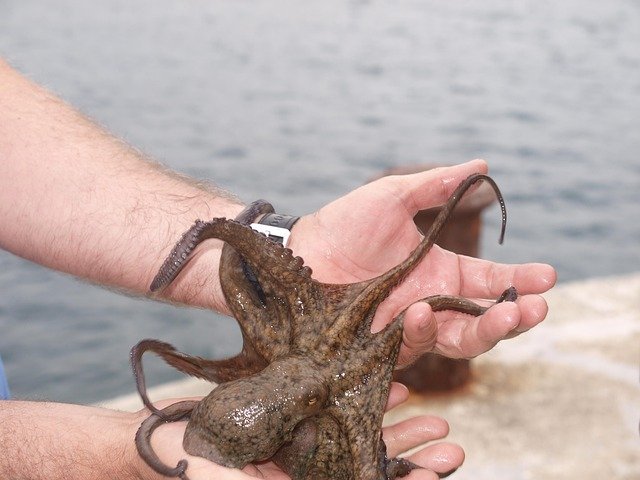
It’s the smartest animal without a backbone. Its brain takes the form of its arms. Both arms are independent and can think. This is some wicked, powerful form of mind.
No escapologist is quite as slippery or elusive as the common octopus. It even can solve puzzle jars from the inside. It can open screw top lids. It learns by watching. If one octopus watches another open a jar, the first can manage the task faster.
It uses tools for defense. An octopus will take a coconut shell with it as a portable home. It would pile rocks up to close its den entrance. It will brandish jellyfish tentacles as a weapon.
It can “briefly become square or a different color to help complete the puzzle.” To hunt, it will take on the form of a rock and crawl along the ocean bottom. It will mask itself by changing its skin to resemble coral or sand. This is not just reflex. It’s a doer that acts according to its surroundings.
Their problem-solving is immediate and creative. They are curious. There will be some fiddly with objects, just to experience a result. This drive to investigate is a major intelligence indicator.
Number Five The Crow
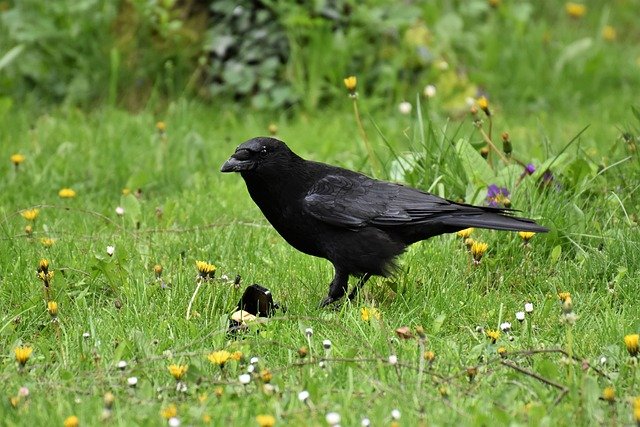
Crows and ravens are the brainiacs of the bird world. Their brains are tiny, but densely packed with neurons. They’re on the case, solving problems that would flummox a toddler.
Crows make and use tools. A New Caledonian crow will craft a hook from a twig. It snags a hook and yanks grubs from their burrow. It will store this tool for vomiting process. It will even select the most well- shaped wire from a pile to form a more perfect hook.
They understand cause and effect. In one experiment, for example, a crow could see food floating in a tube. They try to find the food but the crow cannot get inside. It threw stones down the tube. The water level rose. The food rose with it. The crow got the food. It just goes to show someone’s grasp of water displacement.
They plan for the future. Crows will hide food in thousands of places. They remember each place. They also observe where other crows hide food and steal it afterward. That is, they get that other crows have minds and desires.
They recognize human faces. A crow will scold someone years later if they are ever mean to them. They also teach their young which humans are dangerous. This is social learning.
Number Six The Pig
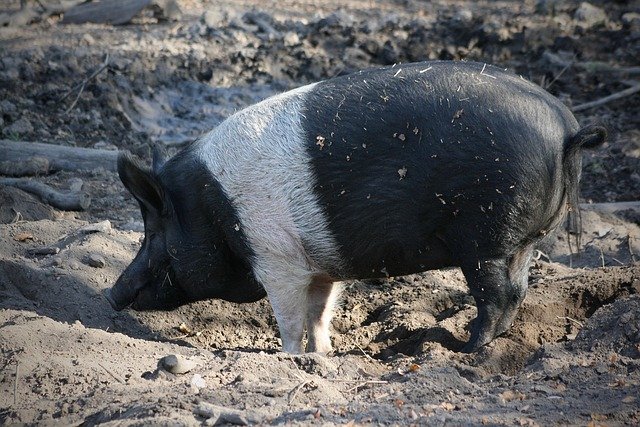
Pigs area whole lot smarter than most people realize. Their mental capacity is often likened to that of the three year old human infant.
Pigs understand mirrors. A pig can discover a secreted bowl of food using a mirror. This proves they know the mirror is reflecting their world.
They’re great problem solvers in mazes. They pick up routes quickly and retain them well. They can understand simple symbols. They can learn that one shape is associated with food while another means no food.
Pigs are social problem solvers. The discovery that if two pigs are trained but only one is rewarded for pressing a lever, the un-rewarded pig will learn to press it in order to feed its friend. This shows cooperation.
They get to use a joystick to steer a cursor around on a screen. It’s an incredibly esoteric abstract thing to be doing. Pigs learn it quickly. They know their action is making something happen on the screen.
They are emotional and cunning. A pig will pretend to be hurt, in order to get more attention. A pig will also draw another pig away from a food pile, so that it can eat there alone.
Number Seven The Dog
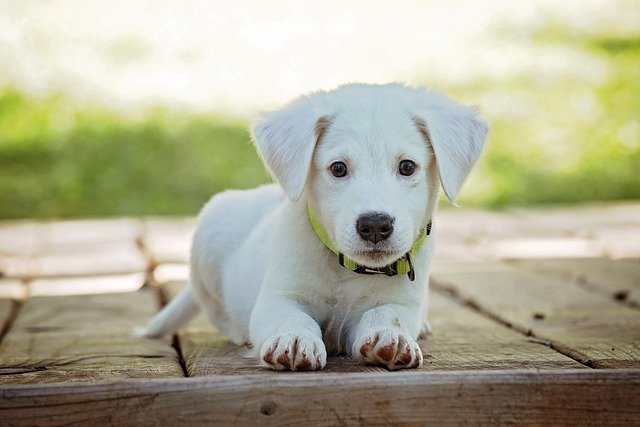
Dogs are a different kind of smart. It is cleverly shaped by thousands of years living intimately around humans. They solve social problems more skillfully than nearly any other animal.
Dogs understand human gestures perfectly. A point a glance a nod. Dogs use them to figure out where hidden food is stashed. Can’t do this quite well, though their wild cousins the wolves can not. This is partnership-bred intelligence.
They learn words. The smartest can learn hundreds of names for objects. They can bring toys by (specific) name as well. They get the categories: they will fetch a toy for them and all toys are available.
Dogs feel empathy. If dog’s owner is sad, the dog will nudge and be a near presence. They can feel a human emotion from a face or in the sound of a voice. They remedy sadness with comfort.
They can solve physical puzzles. A dog will learn to open a latch for a treat. They experiment, and finally someone makes a guess that turns out to be the right one. They learn by watching other dogs — or even humans. Their problem-solving is a matter of getting assistance from member of the human race. This is already a clever play.
Number Eight The Orangutan
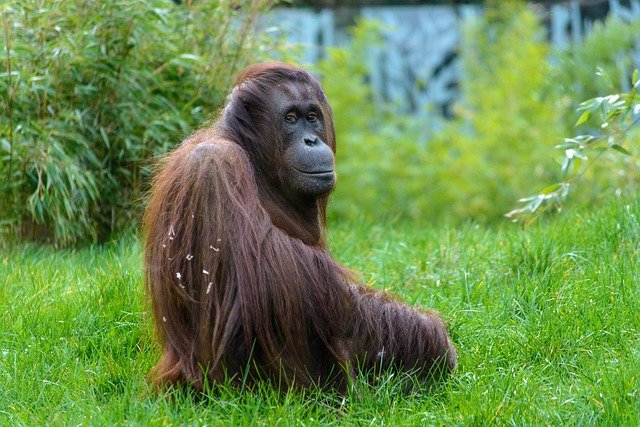
Orangutans are the philosophers of the ape world. They, like its name, live alone in the woods so their intelligence is still and patient.
They are master planners. If you are an orangutan, you will know the tree where a ripe fruit can consistently be found every year. It will plan its path through the forest based upon this future event. This is long-range thinking, days or weeks in advance.
They are incredible tool users. They make umbrellas out of large leaves. They craft gloves out of leaves for picking spiny fruit. They meter the water with sticks. They drink from cups made of leaves. They are meticulous tool users.
Orangutans learn by watching. In captivity they see humans fixing things. In the past, they have been observed trying to open doors with keys or sweeping floors with a broom. They know why humans need tools.
They can pick up sophisticated sign language. They use it to request something in jest and as a way to convey an emotion. They demonstrate a profound grasp of symbology and communication.
Number Nine The Rat
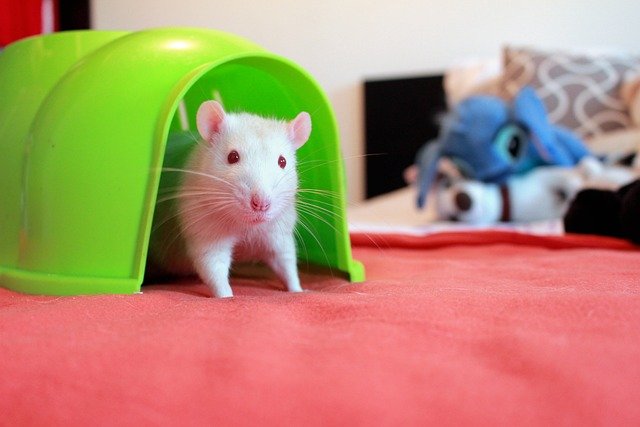
Rats have fast clever minds. They are problem solvers for urban survival and they’re in developed in labs.
Rats show metacognition. That is, they reflect on their own thinking. In one test a rat would choose to take either a hard test for a big reward or an easy test for If it did not learn the answer to the hard test, then it would probably take the easy test. This demonstrates that it knows what it knows.
They are excellent at navigating. A rat perfectly learns a maze after just several runs. It builds a mental map. It can find new shortcuts. This is a top-level spatial problem solver.
Rats feel empathy. One rat in an experiment would liberate another one when the first got no reward for doing so. It would even split its chocolate with the now-released rat. That’s a social bond and recognition of another person’s sorrow (though this latter distinction is not captured by the term itself).
They understand cause and effect. A rat is trained to press a lever for food. It discovers that a light signal indicates the lever is going to work now. This is learning rules and patterns.
Number Ten The Whale
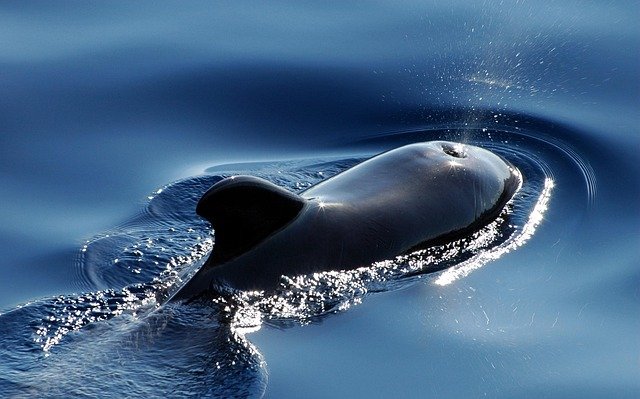
Some whales are brainy, and the sperm whale is the brainiest of them all. It has the largest brain on earth. Its social life is profoundly complex.
Sperm whales have clans that have different cultures. The coda are a series of click consonants unique to each clan. It is a dialect. They talk to family members in this dialect. This is the evidence of social learning and identity.
They provide a solution to the problem of hunting in deep-dark water. They hunt giant squid. They rely on echolocation to locate the squid in black abyss. This is the equivalent of advanced sonar problem solving.
They take care of their family. An injured whale will be guarded by the entire group. They will buoy it on top so that it can breathe. They will protect it from sharks. This is group problem solving for the good of the whole.
Young whales pick up everything from their mothers and the pod. How to hunt how to speak how to travel across oceans. This learning takes many years. A long childhood is a mark of intelligence among animals.
What This Intelligence Means
These are not just animals instinctually doing what they do. They think. They make choices. They create new solutions for new problems. They have feelings that inform their actions. They recollect the past and foresee the future.
We all need to respect this intelligence when we see it. These are not just things. They are conscious creatures in their own universes. They address the issues of hunger safety family and home. They have their way, we have ours. But their success is clear.
It is important to protect these intelligent animals. They are wonders of nature. They have a precious natural resource between their ears. We must learn from them. We have to make sure they have a spot on the earth where they can use their great minds. And in a world with them, well that’s just way more interesting problems being solved every single day.
What This Intelligence Means
We compile lists of the smartest animals. We talk about their skills. But we must pause to ask a bigger question. What does this mean. (crows are the only non-primate reported to employ tools). What does it even mean for an elephant to mourn. What does it mean that an octopus learns? The meaning is deep. It alters the way we perceive the world. It transforms how we perceive ourselves.
Intelligence Is Not A Ladder
For a while, intelligence was viewed as a ladder. Humans were at the top. All other life was below. This is wrong. But the new science tells us something different. Intelligence is not a ladder. It is a forest. It’s a whole universe of heads.’ Every mind is formed by its body and its world.
A dolphin lives in water. Its brain is for sound and social connection. An octopus has no bones. Its brain is in its arms and skin. A crow dwells in the air, and in our cities. Its brain is for quick thinking and long memories. They are not attempting to be human. They are being perfect dolphin perfect octopus, perfect crow. Their intellect resolves all the problems of their life. Its problems are not our problems. But their solutions are brilliant.
This is because there isn’t just one test for smart. A human child, it is irrelevant to say, would not pass the crow’s test of recalling two hundred hiding places. The crow may flunk the human child’s test of using a pencil. But both are intelligent. They are smart in the way that matters for their survival. This view humbles us. It makes the world a hell of a lot more interesting.
It Teaches Us About Mind As A Tool Of Life
Mind is not a magic accident. Mind is a powerful tool. Life builds minds to solve problems. The issue may be finding food in shifting forests. Maybe the issue is rearing young in a dangerous world. The issue is working as a large group. Over millions of years life takes up the method of trial and error. It makes brains capable of learning and planning, of experiencing and perhaps even understanding.
It is this tool that we recognize when a chimp uses a spear to hunt. In the bumblebee learning a complex puzzle we see this tool. Mind is a biological instrument in the same way that wings or flippers are. It is a way to inform oneself and make good decisions. This means intelligence is natural. It is woven into the human condition. We are not out of nature. We’re a noisy realization of a quiet rule. Life tends toward mind.
It Cracks The Wall Dividing Ourselves From “Them”
The old idea built a wall. Humans on one side. Beasts on the other. The wall is now broken. We witness animals do things we once believed only we were capable of.
We believed that only the humans were tool users. We now know that crows octopuses and chimpanzees use tools. It never occurred to us that anything but a human could do culture. What we know now is that whales have songs and labs that vary. We observe that groups of chimpanzees have different customs for cracking nuts. We believed only humans experienced complicated emotions. We see elephants grieve. We see dogs show guilt. We watch rats come to the aid of a friend in need.
The wall is gone. We see a bridge instead. We witness a landscape of feeling and thinking. We are in that landscape. We are different yes. But we are not alone. We’re all surrounded by other minds. No two minds see the world at the same time. This is a profound shift. It asks us to be kinder. It simply asks that we are a little more respectful.
It Redefines Problem Solving.
Problem solving isn’t just for school exams. In nature, problem-solving is literally life and death. The animals on this list demonstrate all sorts of problem solving.
There is social problem solving. A baboon needs to play politics with its troop. It has to make friends and learn its place. A dolphin needs to work with its group to forage. This requires communication and trust.
There is technical problem solving. An otter has to smash open a shellfish. It will use a rock. A sea urchin needs to grip a rock in heavy waves. Its body is the solution.
There is memory problem solving. And a squirrel has to forage for its hidden nuts months down the road. A whale needs to follow a migratory route through an empty ocean.
There is creative problem solving. A parrot learns to escape from its cage. A monkey flosses its teeth with a human hair.
When we look at nature, we are staring a billion problems being solved every second. For each animal represents a living solution. Its mind is the key. This intelligence is what we might call active intelligence — an applied intelligence. It is the engine of survival.
It Teaches Us About Consciousness
The hardest question is consciousness. Do animals know they exist. Do they have a sense of self. Science is still exploring this. But the cleverest creatures offer some hints.
The mirror test is one clue. An animal which can see itself in a mirror possesses a certain level of self awareness. Dolphins, great apes and elephants can do this. They know the reflection is they.
Planning for the future is another hint. An orangutan sets aside a tool for tomorrow. This means that it can think about a future in which it requires the tool. It’s more than this living-in-the-now doctrine. It has an image of what will happen.
Complex play is another clue. When two dogs play fight, they make games. They bite softly. They take turns. They know it is a game. In other words, this features they know their own actions and the partner’s feelings. They have a theory of mind. They know the other dog has a mind.
These clues indicate that consciousness is not a yes or no. It is a scale. It is a spectrum. A little point of awareness, maybe a bee. An elephant may have a profound and rich inner life. That is, the world abounds in many kinds of consciousness. The eyes of participation are many. That’s a beautiful, important thought.
It Imposes A Moral Obligation On Us
This is the most important sense. If animals are conscious and intelligent then we have an obligation. We cannot allow them to be treated as property. We must treat them as beings.
The obligation covers a lot of ground. It touches how we farm. Pigs are smart and social. The inflictions caused by keeping them in tiny cages are dazzling. We must find better ways. It touches how we fish. Octopuses are curious and clever. Fishing practices that catch and hurt them are a moral concern. It touches how we do science. We have to acknowledge and honor animal minds in our research.
It touches on how we conserve the wild. It’s not just bodies we’re saving. We are saving minds. We are preserving distinctive ways of thinking. When a forest is cut down, we lose more than just trees. We lose the problem-solving of the monkeys who once lived there. We lose the elephants’ memory maps of themselves. We lose a repository of built and natural intelligence.
Our duty is to be stewards. We have the power to harm or save. The decision is easy if we know anything about the intelligence of animals. We must protect. We need to leave space for other minds to exist and think and be.
And The World Is A More Wonder Full Place
Lastly this intelligence casts wonder upon our world. The world is not just matter. It’s not just rocks and water. It is a hive of thought. Outside your window, a bird is making difficult choices. An ant on your path is grappling with a navigation problem. There’s a whale singing a complex song down in the deep dark.
When you realize this the world wakes up in a whole new way. You’re walking through a park and somehow think the crows over there are smart. They know the people. Their stories were not ones we could hear. You look at the ocean and you think down there are minds so different from ours. They see through skin and think with their arms.
This wonder is a gift. It fights loneliness. It’s telling us we’re members of a vast community of minds. We are not the only beings who think on this planet. We are citizens of a thoughtful planet.
So here’s what that intelligence signifies. It’s to say the world is deeper than we had thought. We learned that our family is bigger than we imagined. It means we have work to do. For that we must rely on the limits of our own human intelligence to comprehend, protect and respect the other minds that we share home with. This is the great task. This is the meaning.
The Most Intelligent Animals In The World
Here, we share a list of the top brains developed by animals. These animals can solve problems. They can use tools. They can learn new things. They are capable of complex communication. Intelligence is hard to measure. But scientists observe specific things. They are looking at how an animal solves new problems. They consider memory and social skills. These are the 10 smartest animals in the world, based on expert opinion.
One Chimpanzee
Closest to humans. Employ means such as sticks and rocks. Has cultures hat are different by group. Show empathy and deception. Plan hunts together.
Two Dolphin
Big brain for body size. Use creative hunting methods. Understand complex commands. Have names for each other. Recognize themselves in mirrors.
Three Elephant
Biggest land animal brain. Famous for long memory. Show grief and aid wounded members of the herd. Use tools like fly swatters. Work together to solve problems.
Four Octopus
Smartest invertebrate. Solves puzzles and opens jars. Uses coconuts for armor and tools. Learns by watching. Changes colour and shape to hide or attack.
Five Crow
Bird genius. Forms hooks out of wire to acquire food. Understands cause and effect. Future plans include food hoarding. Knows your face, and bears grudges.
Six Pig
As smart as a young child. Understands mirrors. Learns mazes quickly. May use a joystick to game. Works with other pigs and can be deceptive.
Seven Dog
Understands human gestures and words. Reads human emotions perfectly. Learns hundreds of object names. Solves problems to seek help from humans.
Eight Orangutan
Master planner for future food. Creates intricate tools out of leaves, such as umbrellas and gloves. Learns by imitation, even among humans. Uses sign language to communicate.
Nine Rat
Excellent at navigation and mazes. Shows compassion by freeing stranded friends. Already grasps cause and effect in experiments. Decides on the basis of what it knows.
Ten Whale
3) Sperm whales have largest brain of any animal I found sperm hunt amazing to plan. Some have rather complex clan cultures with their own dialects. So echolocate in the dark to hunt massive squid. Nurse and protect wounded comrades.
These animals are evidence that intelligence isn’t just for humans. It takes many forms throughout the animal kingdom. All of them are exceptional in their own special way by using its own mind to survive and thrive. We need to save these smart animals for this world. Their minds are natural wonders.
Yes This Is Exactly Right
These intelligent animals are a shining mirror. They demonstrate to us that mind is not just for the human animal. Mind is a tool of life. It grows in many bodies. It solves many problems. Each of the animals on the list puts its mind to use in a different way. This way fits its world. Octopus solves riddle in the quiet deep. The crow figures out how to piece together the jigsaw puzzle in the loud city. The Elephant That Solves a Social Problem in Its Big Family The pig resolves a problem in the barn.
Their intelligence is for survival. But it is also for more. It is for play. It is for friendship. It is for curiosity. A dolphin plays with bubbles. A trick to make them laugh, a dog learns. Give a rat the chance to help a friend. This is a mind that feels and connects.
This variety of mind is a blessing. It makes our planet rich. It’s like a forest with many varieties of trees. Each tree is important. Each animal mind is important. The world requires the crafty crow to scavenge and propagate seeds. The wise elephant is needed to make and mold forests, dig water holes. The observant octopus is something the reef needs. Their clever behaviors are necessary for keeping nature healthy and strong.
When an animal like these guys is lost, it’s not just a being that we lose. We lose a certain kind of thinking, one that can expand our world to be less monotonous and hostile. We lose a lens on the world. We lose a part of the planet’s mind. A library of natural wisdom is going up in flames.
We must save them. So we save them by saving the wild places. We save them by making our crow-and-bee-friendly cities even more so. We can save them both with how we farm and fish. We rescue them if we treat them as thinking individuals, not mere things.
When we peer into the eye of a chimp or a whale, we see an intelligence, a mind it doesn’t have to be just like ours but in some way as flexible and subtle as our own. It is different from ours. But it is deep and real. It’s the job to save that mind. It is a promise to keep the world wonder full. A world with them is a smarter world.” A more complete world. We should be smart enough to keep them safe.