
Turtles
More Than Just a Pretty Shell – Science, Mysteries & Human Connection
The Amazing Biology and Behavior
Navigation & Migration: Nature’s GPS
Sea turtles do one of nature’s most breathtaking navigational miracles. Born on a beach and carried by ocean currents for years (the “lost years”), adult females return to nest at the very same strip of beach where they were born, with the precision of a GPS coordinate. Researchers think they do this with the help of:
Magnetoreception: Navigating the Earth’s magnetic field as an internal map and compass.
Wave Direction: Feeling the set of swells.
Smell Imprinting on the unique chemical signature of their natal beach.
The Leatherback turtle owns the title for longest migration, journeying over 10,000 miles (16,000km) every year to its nesting and feeding sites.
Unique Anatomy & Adaptations
The Shell Not an outward covering, but a living and integral portion of the skeleton. It is composed of two parts – an upper section and a lower section: The upper part, which attaches to the ribs and the spinal cord; And the lower part, which attaches to the breastbone. They cannot leave their shells.
Turtles have cloacal bursae
extensively vascularised sacs near the tail. In some freshwater species, these enable underwater “cloacal respiration” taking in oxygen from the water. Sea turtles, of course, are air-breathers who must surface but can lower their metabolism to hold their breath for hours (Leatherbacks can manage dives down to an hour and a half).
Diet & Ecological Roles
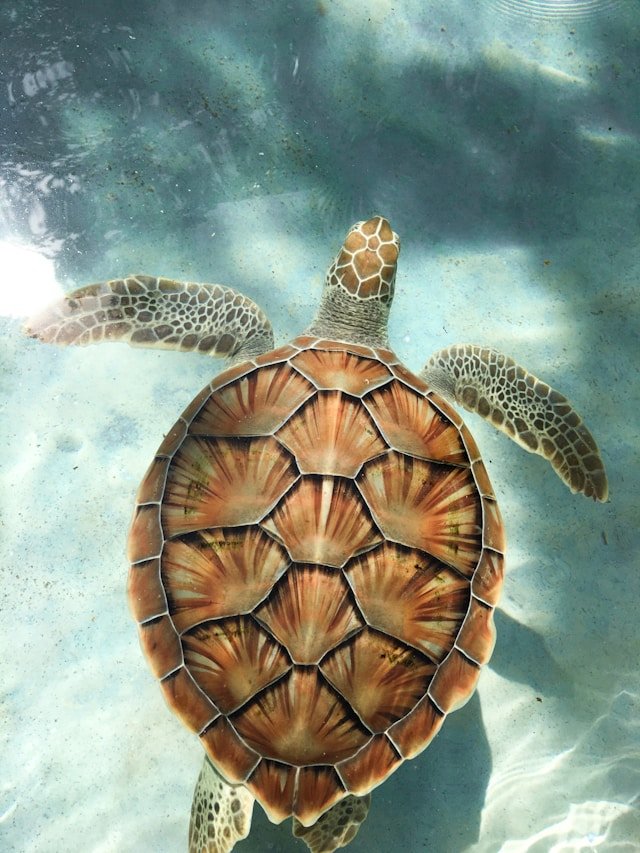
Green Sea Turtles As full-grown adults, they are largely herbivores, munching on seagrass beds that keep the meadows healthy and productive (sort of like underwater lawnmowers).
Hawksbill Sea Turtles: These have birdlike beaks with which they’re adapted to eat sponges on coral reefs. This keeps the sponges from out-competing and overgrowing the corals, so reef biodiversity is maintained.
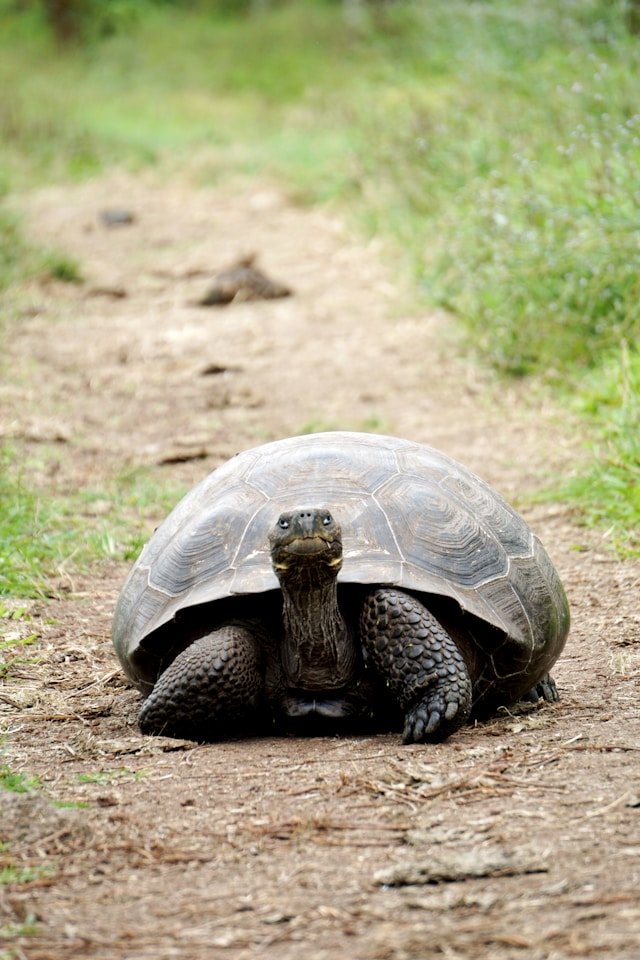
Tortoises: When they walk and eat fruit, tortoises are important seed dispersers for much of the flora.
The Severity of the Crisis & Conservation
Specific Threats in Detail
Light Pollution: FiestaThe newly hatched babies rely on the natural glow of the moon reflecting in ocean waves to tell them which way the sea is. They become disoriented by artificial lights coming from beachfront properties and crawl the wrong way, inland, and die of dehydration, prey or road traffic.
The Pet Trade Epidemic: Demand for exotic pets fuels the illegal harvest of untold numbers of wild turtles, “vacuuming” populations. Social media has only made this worse, with viral species such as the small, rare Indian Star Tortoise.
Poached Eggs:
Turtle eggs are believed to be a delicacy or an aphrodisiac in most cultures. In some Central American nesting beaches, more than 90% of nests can be poached.
Fibropapillomatosis- A deadly herpes-like virus that causes cauliflower like tumors on soft tissue, primarily in Green Sea Turtles. It is associated with pollution and deteriorating habitats, and can be deadly by impairing vision or feeding, or causing swimming difficulties.
Innovative Conservation Solutions
Turtle Excluder Devices (TEDs): Bars in trawl nets that let shrimp through and guide animals such as turtles out an escape door. Compulsory in multiple but no universal enforcement.
Community-Based Protection: There are programs such as Paso Pacifico of Nicaragua which hires former egg poachers to protect nests, creating an alternative sustainable source of income.
Satellite Telemetry: By fixing small transmitters to the shells of turtles, scientists follow their migratory paths and locate critical habitats that need protecting.
For critically endangered species, like the Kemp’s Ridley turtle, eggs are collected, hatchlings are raised in captivity for a year (the most vulnerable time), and then released to help replenish wild populations.
‘Cool the Nests’ Projects: Volunteers in locations as varied as Florida shade nests with cloth or plant vegetation that will lower sand temperatures, allowing male hatchlings to thrive and counteracting feminization caused by climate change.
Turtles in Culture & Harmony
Mythology and Symbolism
A great turtle in Indigenous creation myths Muchas mitologías autóctonas tiene la ecología como uno de sus fundamentos. Y es que, ¿quien no ha escuchado alguna vez eso de que el mundo se sostiene en el lomo de una tortuga?
In Hinduism, the world is thought to be supported on the backs of four elephants who stand on the shell of a giant turtle.
Throughout East Asia, turtles stand for longevity, wisdom and stability.
What You Can Do (Action Items)
Make Beach Visits Turtle-Friendly: If you’re on a nesting beach, use red-light flashlights (invisible to turtles), fill in holes and knock down sandcastles at night that may catch hatchlings. Respect marked nests.
Opt for Sustainable Seafood: Make sure fish and shrimp have certifications (such as MSC) and avoid shrimp that was caught without turtle excluder devices, or TEDs. Support turtle-safe restaurants and fisheries.
Limit Plastic & Join Cleanups: Just one plastic bag can kill a sea turtle. We must reduce plastic at the source.
Donate and Volunteer Responsibly: Support legitimate organizations in the field-The Sea Turtle Conservancy, The Turtle Survival Alliance or local wildlife rehabilitation centers.
Be a Good Pet Owner: If you insist on having a pet turtle,
NEVER send your turtle free (it might spread diseases). Adopt, don’t shop and make sure it’s a captive-bred, legal species.
Citizen Science: Submit any reports of nesting turtles or seeing hatchlings to local officials in charge of wildlife.
A Ray of Hope: Bright Spots
In the case of the Kemp’s Ridley sea turtle — once near extinction with only 300 nesting females in the 1980s but now numbering in the thousands,
thanks to strict international protection and fishing regulations — scientists are pressing harder for answers.
In Sri Lanka and Oman, continued monitoring and community outreach efforts have seen dramatic increases in the number of Green Turtle nests.
The Archey’s frog in New Zealand was saved from a lethal fungus thanks to a protein found in the blood of the Eastern Box Turtle,
which demonstrates how safeguarding turtles can have unforeseen merits for biodiversity worldwide.
Closing thought: Turtles aren’t just remnants of our past, they are the barometer to which we measure our current environmental heath and legacy for that which is yet to come.
Their slow, measured progress through life is a welcome note to all about the true nature of resilience:
that it’s not about speed; it’s about endurance and adaptability, and the complicated tangle of connections connecting every living thing on Earth.